Remote Job Market in 2025: Beware of The Scams

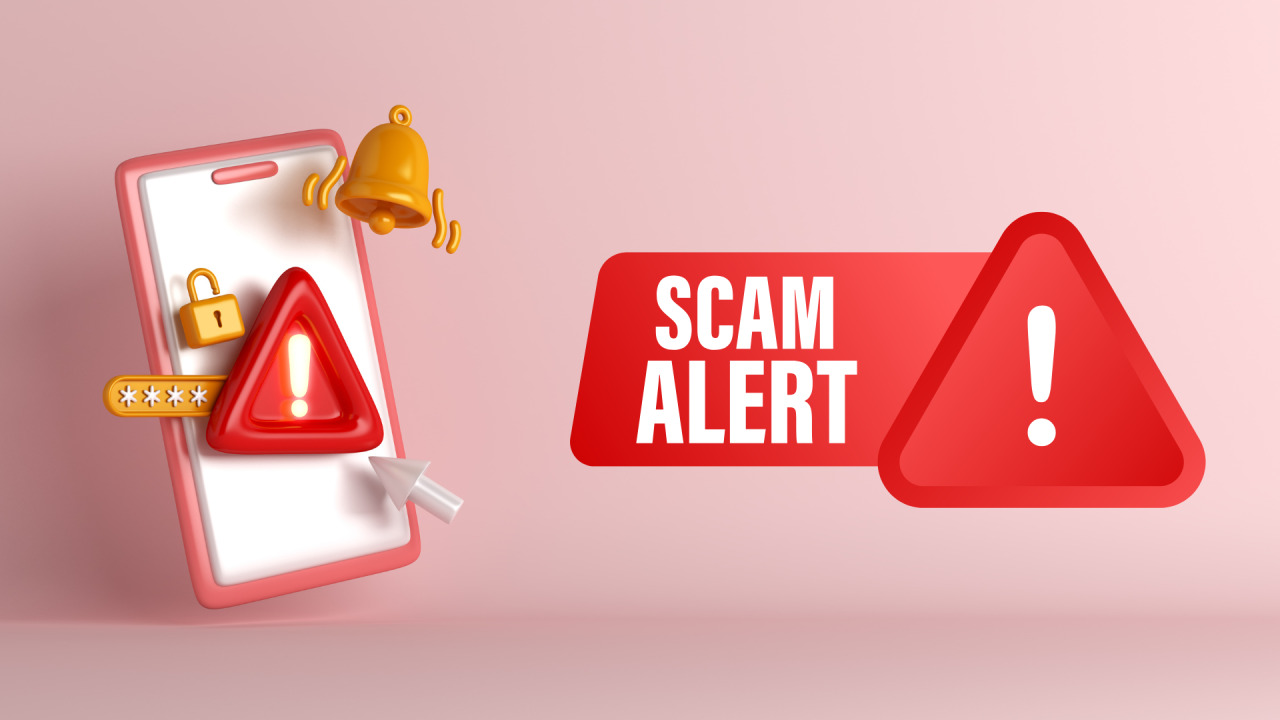
As remote work continues to redefine the professional landscape, it’s no surprise that job seekers are increasingly drawn to the flexibility and freedom it offers. However, with this surge in demand comes a darker side: scammers are leveraging sophisticated tactics to exploit unsuspecting candidates. As a professional navigating this space—whether you’re a job seeker, recruiter, or career coach—awareness is your first line of defense. Here’s a breakdown of these scams and actionable tips to stay safe, based on the insights from the article.
1. Deepfake Interviews: When the Hiring Manager Isn’t Real
Imagine acing a video interview, only to later discover the “hiring manager” was a deepfake—a digitally manipulated persona designed to steal your personal and financial information. Scammers are now using AI to impersonate recruiters, conducting fake interviews that feel eerily legitimate. The goal? To trick candidates into sharing sensitive details like bank account numbers or Social Security information under the guise of onboarding.
- Red Flags: Watch for unnatural lip movements, syncing issues, or an interviewer who refuses to turn on their camera while pressing you for personal data.
- Stay Safe: Verify the employer’s legitimacy through official channels—check their website, LinkedIn page, or contact them directly via a known email or phone number. Request a follow-up interview if something feels off, and never share sensitive information until you’ve received a formal, verifiable offer.
2. Fake Job Listings on Bogus Boards
Scammers are getting crafty, creating professional-looking job boards filled with AI-generated postings that promise dream remote roles. These listings often lead to requests for application fees or personal data harvesting. The MSN article highlights how these scams prey on the excitement of landing a remote gig, only to leave candidates out of pocket or compromised.
- Red Flags: Generic job descriptions, suspicious website domains (e.g., slight misspellings of legitimate sites), or demands for upfront payments.
- Stay Safe: Stick to reputable job platforms like LinkedIn, Indeed, or company career pages. Cross-check postings on the employer’s official site, and remember: legitimate employers never charge candidates to apply.
3. Equipment Purchase Scams
Here’s a sneaky one: you’re offered a remote job, but the “employer” insists you buy equipment from a specific vendor, promising reimbursement later. Spoiler alert—the reimbursement never arrives, and you’re left with a useless purchase and a lighter wallet. This scam exploits trust and the eagerness to start a new role.
- Red Flags: Requests to buy equipment before starting, especially from obscure vendors, or a lack of clear company procurement policies.
- Stay Safe: Research the company on platforms like Glassdoor for similar complaints. Legitimate employers typically provide equipment directly or have established, transparent processes—confirm this before spending a dime.
4. Crypto-Only Payment Demands
With cryptocurrency gaining traction, scammers are jumping on the bandwagon, offering remote jobs that pay exclusively in crypto. The catch? They often demand upfront payments in cryptocurrency for “training” or “setup,” only to vanish once the funds are sent. The anonymity of crypto makes it a scammer’s paradise.
- Red Flags: Employers refusing traditional payment methods, no formal contract, or a company with minimal online presence.
- Stay Safe: Be skeptical of crypto-only offers. Legitimate companies offer multiple payment options and clear documentation. If the deal feels shaky, walk away and seek opportunities through trusted sources.
Why This Matters in 2025
The remote work boom isn’t slowing down, but neither are the scammers adapting to it. As the MSN article points out, advancements in AI and digital tools are making these schemes harder to spot. For job seekers, the stakes are high—financial loss, identity theft, and wasted time are all on the table. For employers and recruiters, these scams erode trust in the remote hiring process, making it critical to educate and protect candidates.
How to Protect Yourself
- Verify Everything: Research companies thoroughly—check their digital footprint, employee reviews, and official contact details.
- Trust Your Instincts: If a job offer feels too good to be true or raises red flags, pause and investigate.
- Avoid Upfront Costs: Never pay to secure a job or share personal details before a formal offer is in hand.
- Leverage Trusted Networks: Use platforms like LinkedIn to connect with verified professionals and tap into legitimate opportunities.
Remote work offers incredible opportunities, but it’s a space where vigilance is non-negotiable. As we head into 2025, staying informed about scams like deepfake interviews, fake listings, equipment traps, and crypto cons will empower you to navigate the job market with confidence.
Share your experiences or tips in the comments. We’d love to hear how you’re staying ahead of the curve. Let’s keep the remote work community strong, safe, and scam-free!