Why “District” sits next to “Dineout” is no accident
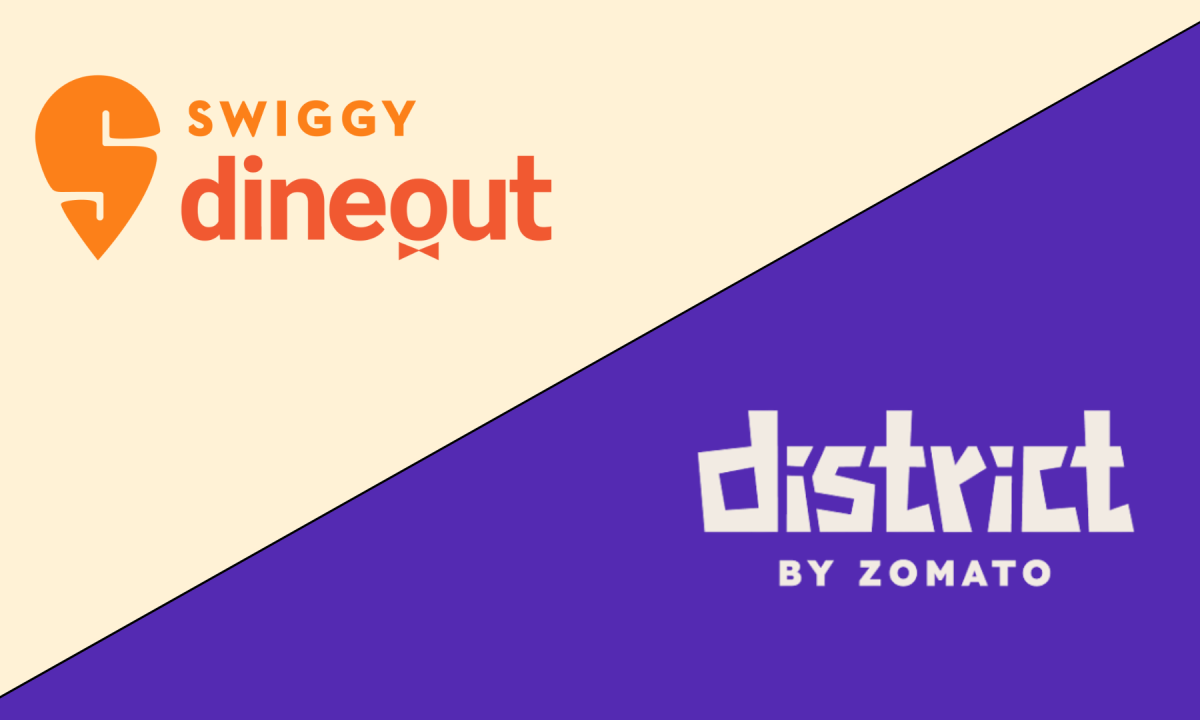
If you’ve seen Zomato’s new “District” app, you might have dismissed it as just another new vertical. But behind that name lies a cunning marketing and branding move. Namely, it starts with “Di” just like Dineout. That means on your phone’s home screen, District often lands right beside Dineout. And when your competitor is literally sitting next to you, guess who gets picked?
That’s not luck. That’s strategic naming + UI placement psychology at work.
At Perfiniti, where we live and breathe brand strategy and digital growth, this is the kind of micro-detail that often separates “meh” brands from magnetic ones. Let’s pull apart the layers, and see how your brand can flex this kind of mental real estate too.
1. Small Design Choices = Big Messaging Wins
Most marketers obsess over ad spend, messaging, or discounting. But the real power is in how your brand shows up, literally, where it appears. In a crowded digital ecosystem, being “next to” a competitor or aligning with familiar patterns helps you piggyback on existing recall.
Zomato’s move with District is a textbook example. By naming it to sit near Dineout, they leverage consumers’ established muscle memory. Suddenly, when someone scrolls past Dineout, District is there, tempting a tap. That’s psychology meets UI in action.
2. The Stealth Advantages of Perceptual Positioning
Here’s what your brand gains when you master this:
- Higher recall: users see you more often (and in relational context).
- Faster adoption: familiarity = lower friction for trial.
- Competitive adjacency: you’re not just “another brand,” you’re right beside someone they already trust.
Zomato didn’t just name District; it built a platform to absorb its “going out” vertical (restaurants, events, tickets) into one experience. And it didn’t stop there, early traction is real: the District app crossed 6.5 million downloads in just months.
They also acquired Paytm’s event & ticketing businesses to strengthen that vertical.
So yes, this is not just wordplay. It’s a full strategic launch.
3. How to Adapt This “Naming + Adjacency” Trick for Your Brand
Let’s get tactical. Here are steps your brand can use (with or without an app) to mimic this kind of edge:
- Map your competitive set: list the brands your customers already use or think of.
- Look at naming patterns: prefixes, suffixes, word families. Is there a common “root” you can align with (without losing your uniqueness)?
- Design for adjacency: whether it’s app icons, search result snippets, SEO tags, or menu names, try to place yourself physically or metaphorically beside your competitor.
- Reinforce via messaging & UI: if you’re “beside” competitor A by name, your UI should support that positioning (e.g. referencing or comparing, without being aggressive).
- Test and iterate: small A/B tests (icon order, name variations, search snippets) can reveal latent gains.
4. Why Most Brands Never See This Loophole
Because this is subtle, it’s not a campaign you can slap up, it’s baked into your naming, SEO, design, and consumer psychology. Most brands stop at “oh, cool name,” then move on. They miss how that name works in context.
At Perfiniti, we often audit brand ecosystems: every place you appear, how you sit next to peers, how recall funnels to choice. These micro moves, though invisible to many, stack into big differentiation.
5. Action Steps
- The next time you think of naming a new product, vertical, sub-brand, or even domain, think not just what will it mean, but where will it live relative to the competition.
- Combine name + UI + SEO + design to own the “real estate” in your user’s mind.
- Start small: rename a menu item, test a sub-brand, experiment with alternative icons. Monitor click-throughs, recall, preference shifts.
At Perfiniti, we don’t just build pretty brands. We engineer brand presence, how you show up, where you show up, and how you win by being unusually adjacent in your users’ journey.
Your brand deserves to be the one people reach for, not just because it shouts loud, but because it sits perfectly next door.