When Logos Become Conversations: The New Era of Brand Strategy
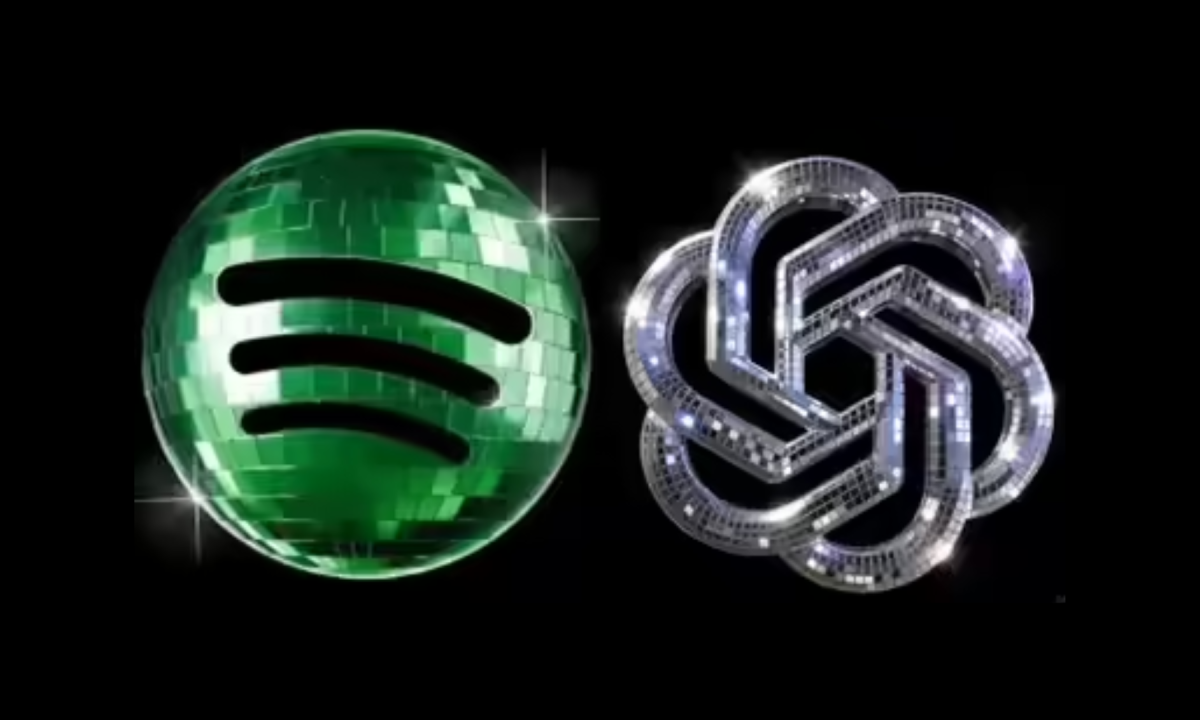
A disco-ball logo was never just about design.
When Spotify swapped its familiar icon for a glitter-covered version during its 20th anniversary, the internet reacted within minutes. Some users praised the playful look. Others mocked it. Four days later, the classic logo returned. Yet something unusual happened afterwards… brands such as ChatGPT, Notion, and others started posting mirrored logo versions of their own. What began as criticism quickly became participation.
This moment says a lot about branding in 2026.
For years, companies treated brand identity as a fixed asset. Fonts, palettes, symbols, and layouts followed strict guidelines. Stability mattered because consistency built trust. Today, digital culture moves at a speed traditional branding systems were never built to handle.
At Perfiniti, we believe this shift marks the rise of “adaptive branding,” a strategy where identity remains recognisable while still reacting to online culture in real time.
Modern audiences no longer interact with brands passively. They remix campaigns, create memes, repost visuals, and shape public perception within hours. A logo is no longer a static corporate stamp sitting quietly on a website. It has become social currency.
The mirrored-tile logo trend proves something important: people now value participation as much as polish.
Earlier, a company would spend months refining a campaign before public launch. Now, internet culture rewards immediacy, humour, and relevance. Brands willing to join conversations quickly often gain stronger visibility than companies waiting for perfection.
That does not mean professionalism has lost importance.
It means audiences expect personality alongside precision.
Spotify’s temporary redesign created debate, but it also generated attention on a global scale. ChatGPT joining the trend added another layer, self-awareness. Instead of staying distant from online reactions, these companies stepped directly into the conversation. The audience became part of the campaign itself.
This approach works because consumers today connect with brands emotionally, socially, and culturally. They prefer companies that feel current rather than distant.
For business leaders, there are three major lessons here:
- Brand systems must allow flexibility: Rigid identity frameworks often slow marketing teams during fast-moving cultural moments. Companies now need visual systems that permit quick adaptation without damaging recognition.
- Community reaction has become part of the strategy: Earlier, public feedback arrived after campaigns launched. Today, feedback shapes campaigns while they are happening. Smart brands monitor sentiment continuously and respond with agility.
- Relevance drives reach: Online audiences reward brands that understand internet behavior. Timing, tone, and relatability now carry measurable business value.
Still, there is a fine balance.
A trend without purpose can appear forced. Random participation rarely creates long-term trust. Strong branding still depends on clarity, positioning, and consistency. Viral visibility alone cannot replace strategic direction.
The real opportunity lies in combining structure with cultural awareness.
At Perfiniti, we see branding as a living business asset, one capable of adapting to shifting consumer behavior while protecting long-term credibility. Companies that succeed during this decade will not simply “look good.” They will remain culturally connected, digitally responsive, and strategically aligned across every platform.
The disco-logo trend may fade within weeks. Yet the message behind it will stay.
Brands are no longer speaking to audiences. Audiences are shaping the brand story alongside them.
And companies prepared for that shift will lead the next chapter of digital business communication.